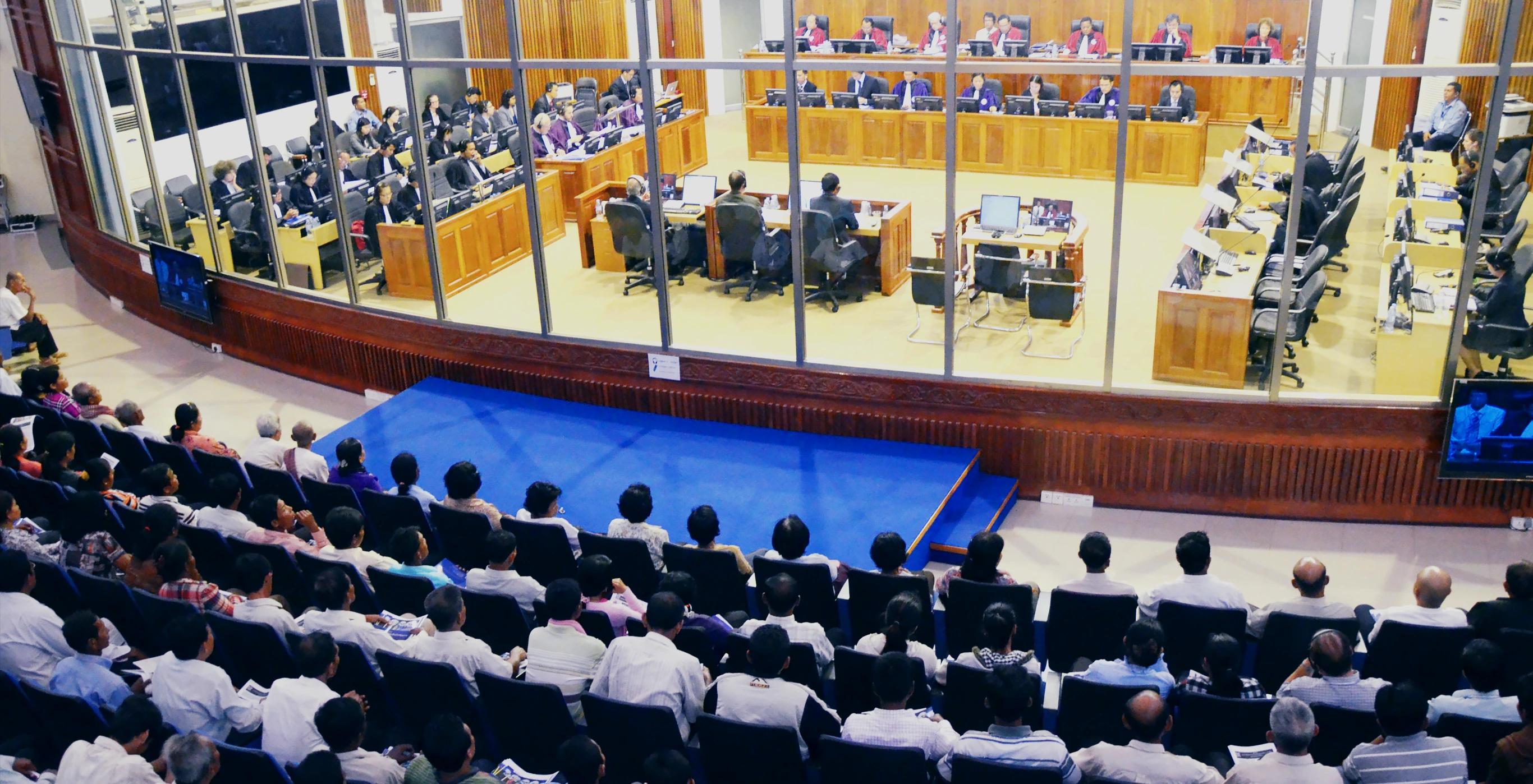
judicial mandate
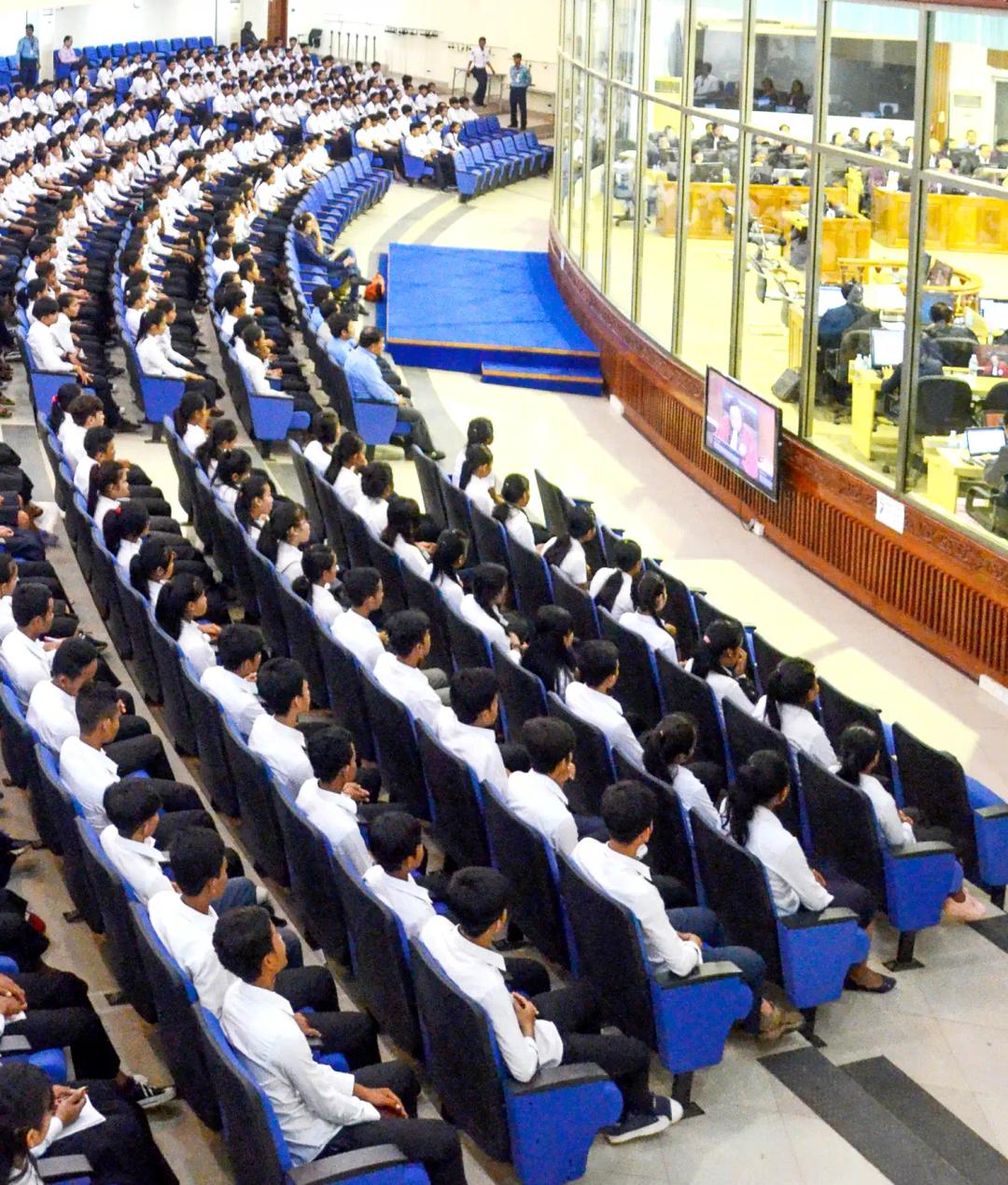
personal jurisdiction
The judicial mandate of the Extraordinary Chambers was to bring to trial two categories of Khmer Rouge officials:1
01
Senior leaders of Democratic Kampuchea who are among the most responsible for the crimes and serious violations of Cambodian penal law, international humanitarian law and custom, and international conventions recognised by Cambodia
02
Non-senior leaders of Democratic Kampuchea who were most responsible for the crimes and serious violations of Cambodian penal law, international humanitarian law and custom, and international conventions recognised by Cambodia.2
Whether an individual is “senior” or “most responsible” is a policy decision within the sole discretion of the Co-Prosecutors and Co-Investigating Judges.3
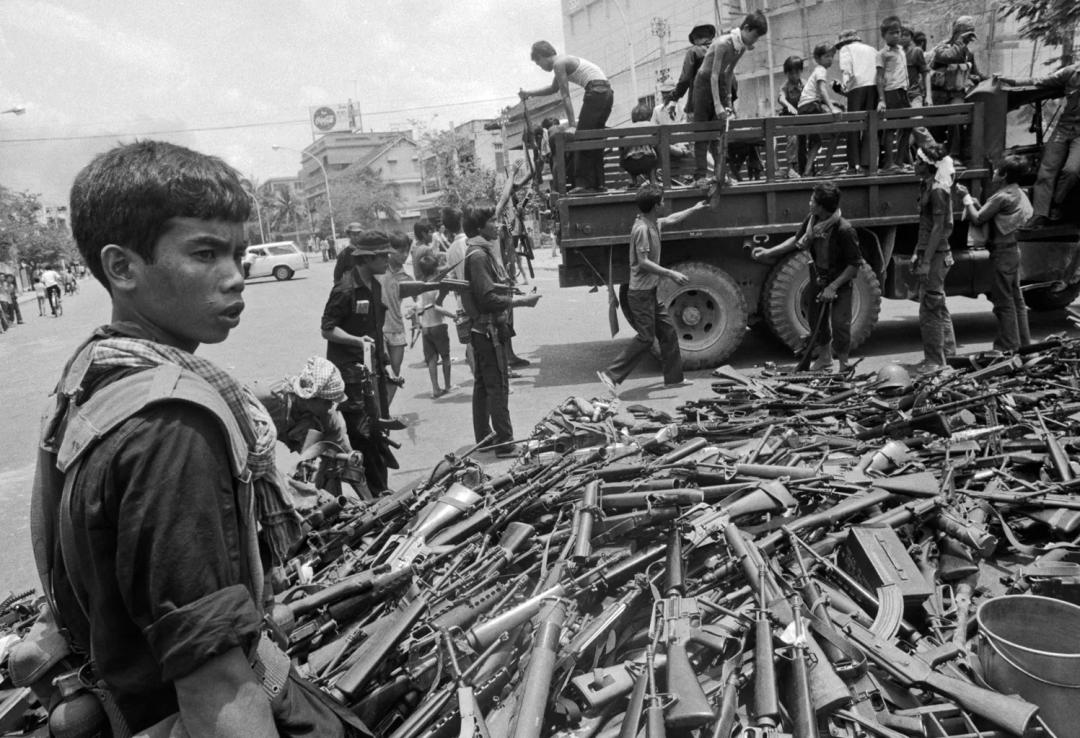
TEMPORAL JURISDICTION
The ECCC could prosecute crimes
that took place from
17 April 1975 to
6 January 1979
inclusive, i.e. during the Khmer Rouge regime.4
The Extraordinary Chambers could rely on evidence of events falling outside this period to, for example, provide contextual clarity to a particular situation; demonstrate a deliberate pattern of conduct; and/or to establish by inference elements of criminal conduct, especially intent, occurring during the ECCC’s temporal jurisdiction.5
Although crimes must have been committed between 17 April 1975 and 6 January 1979, facts and conduct (including intent) from before this period could be relied upon to prove an accused’s participation in a joint criminal enterprise, provided the facts and/or conduct continued during the period.6
subject-matter
jurisdiction
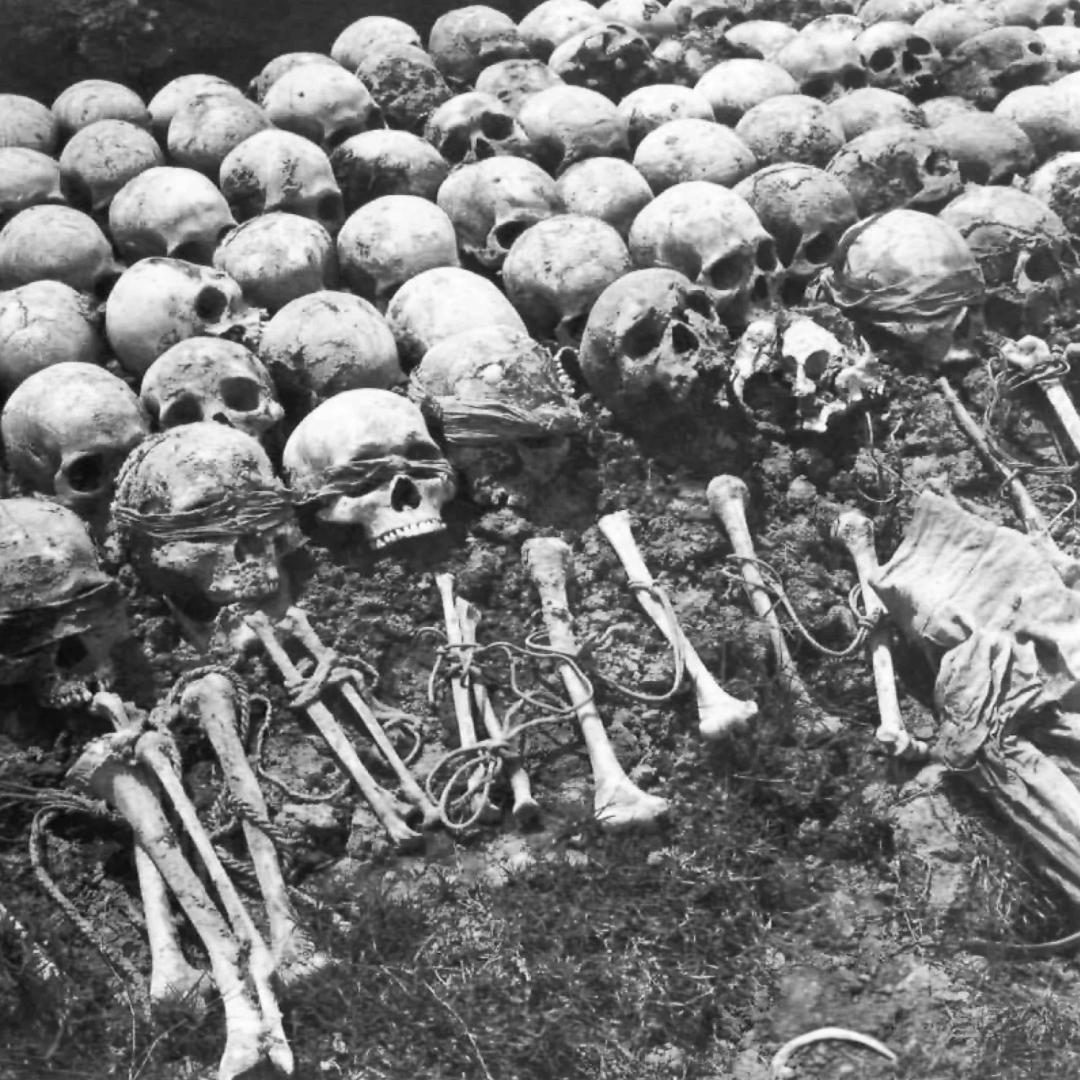
The ECCC had jurisdiction over the following crimes:
- National Crimes under the Cambodian 1956 Penal Code: homicide, torture, and religious persecution;7
- Genocide the 1948 Genocide Convention;8
- Crimes Against Humanity including (i) murder, (ii) extermination, (iii) enslavement,(iv) deportation, (v) imprisonment, (vi) torture, (vii) persecutions on political, racial and religious grounds, and (viii) other inhumane acts;9
- Grave breaches of the 1949 Geneva Conventions, including (i) wilful killing, (ii) torture or inhumane treatment, (iii) wilfully causing great suffering or serious injury to body or health, (iv) wilfully depriving a prisoner of war or civilian the rights of fair and regular trial, and (v) unlawful deportation or transfer or unlawful confinement of a civilian;10
- Destruction of cultural property during armed conflict pursuant to the 1954 Hague Convention for Protection of Cultural Property in the Event of Armed Conflict;11 and
- Crimes against internationally protected persons under the 1961 Vienna Convention on Diplomatic Relations.12
In practice, none of the ECCC Cases contained specific charges in relation to the destruction of cultural property in armed conflict or crimes against internationally protected persons.
An individual could be criminally responsible for committing, planning, instigating, ordering, and/or aiding and abetting the above crimes.13 Joint criminal enterprise has been judicially recognised as a form of commission.14 A person can also be responsible as a superior for failing to prevent or punish the commission by a subordinate of the above crimes.15
A person’s position or rank does not relieve responsibility or mitigate punishment.16 Similarly, it is no defence to have acted pursuant to an order of the government of Democratic Kampuchea or of a superior.
Geographic Jurisdiction
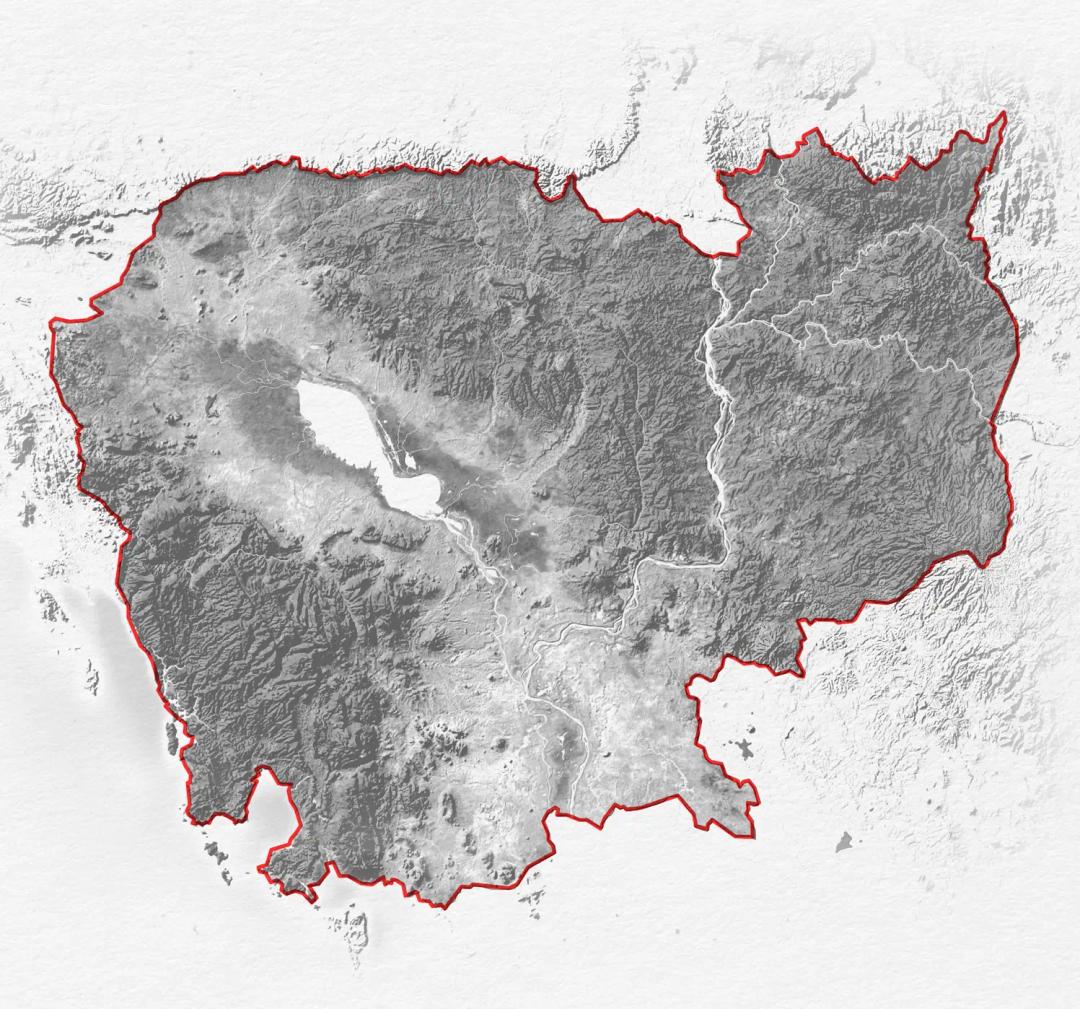
As a Cambodian court, the ECCC had jurisdiction over crimes committed on the territory of Cambodia, including its territorial waters, and by Khmer Rouge officials abroad e.g., in the Socialist Republic of Vietnam.
Residual Mandate
In December 2021, the Addendum to the UN-RGC Agreement on the Transitional Arrangements and the Completion of Work of the Extraordinary Chambers (“Addendum”) entered into force. The Addendum conferred upon the ECCC (under the existing organization) the following residual functions:
01
Reviewing applications and conducting proceedings for the revision of final judgements
02
Protection of victims and witnesses
03
Sanctioning or referring wilful interferences with the administration of justice or provision of false testimony
04
Supervision of enforcement of sentences and monitoring treatment of convicted prisoners
05
Maintaining, preserving and managing the judicial archives, including declassification of documents
06
Responding to requests for access to documents
07
Disseminating information to the public regarding the Extraordinary Chambers
08
Monitoring the enforcement of reparations awarded to civil parties.
The ECCC’s residual phase commenced on 1 January 2023.
judicial
process
The judicial process before the Extraordinary Chambers was based on the Cambodian legal system. Although many aspects are similar, several elements are unique to the ECCC and do not exist in the regular Cambodian judiciary, such as the use of two prosecutors and investigating judges on a single Case, the composition and voting procedures of the chambers, and the existence of a self-standing Pre-Trial Chamber.
Click below to see how the Extraordinary Chambers fit into the regular Cambodian system
cambodian legal systemBelow is an overview of the judicial process:
01
PRELIMINARY
INVESTIGATION
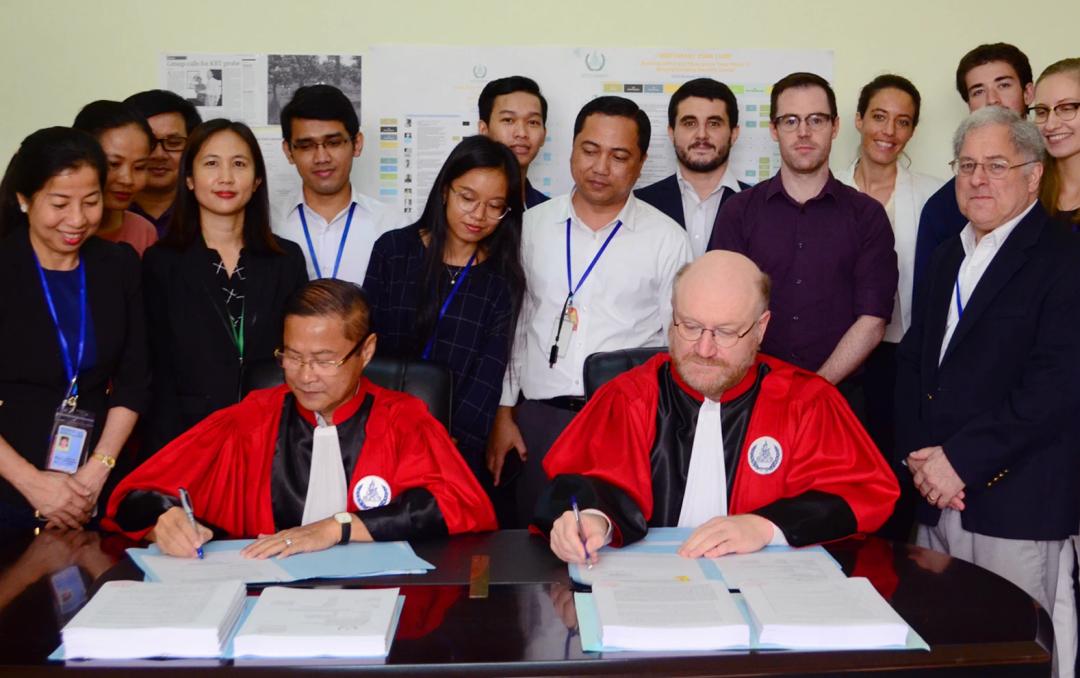
The co-prosecutors collect information, including complaints from victims, to determine if evidence of a crime or crimes within the ECCC’s jurisdiction exists. If so, the co-prosecutors forward a written request (“Introductory Submission”) to the co-investigating judges to open an investigation. The introductory submission, which is sometimes followed by one or many additional requests (“Supplementary Submissions”) contains a description the crimes to be investigated, and the names of persons who are allegedly responsible for those crimes, if known.
02
JUDICIAL INVESTIGATION
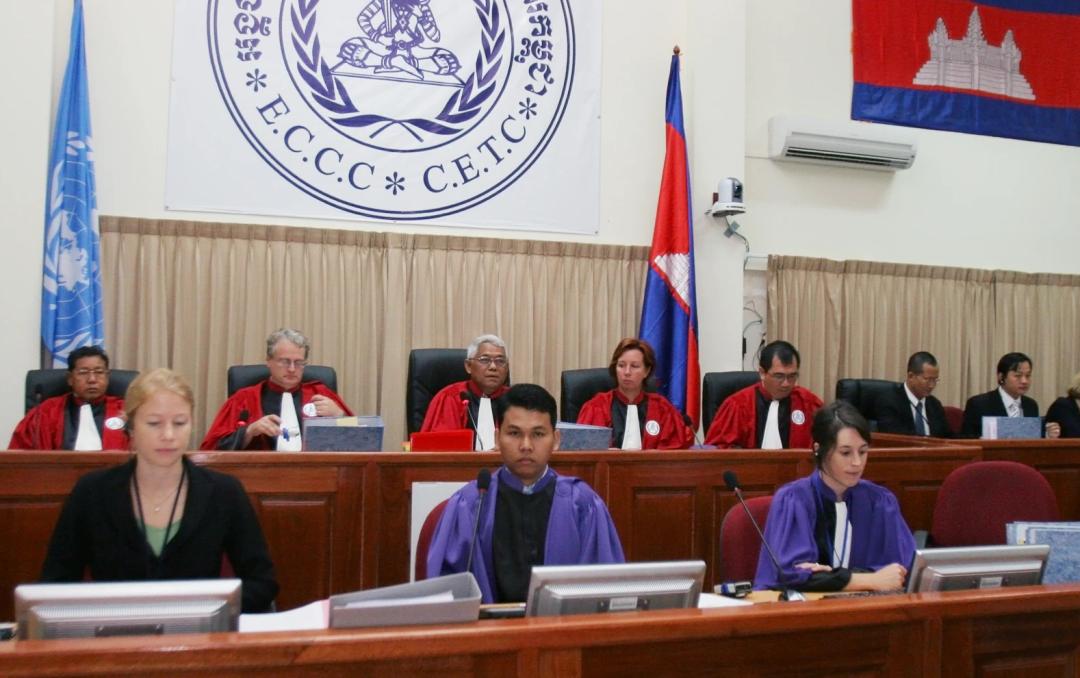
The co-investigating judges investigate the details contained in the introductory and supplementary submissions. At the end of their investigation, the co-investigating judges issue a closing order, being an indictment or dismissal order.
03
PRE-TRIAL APPEALS
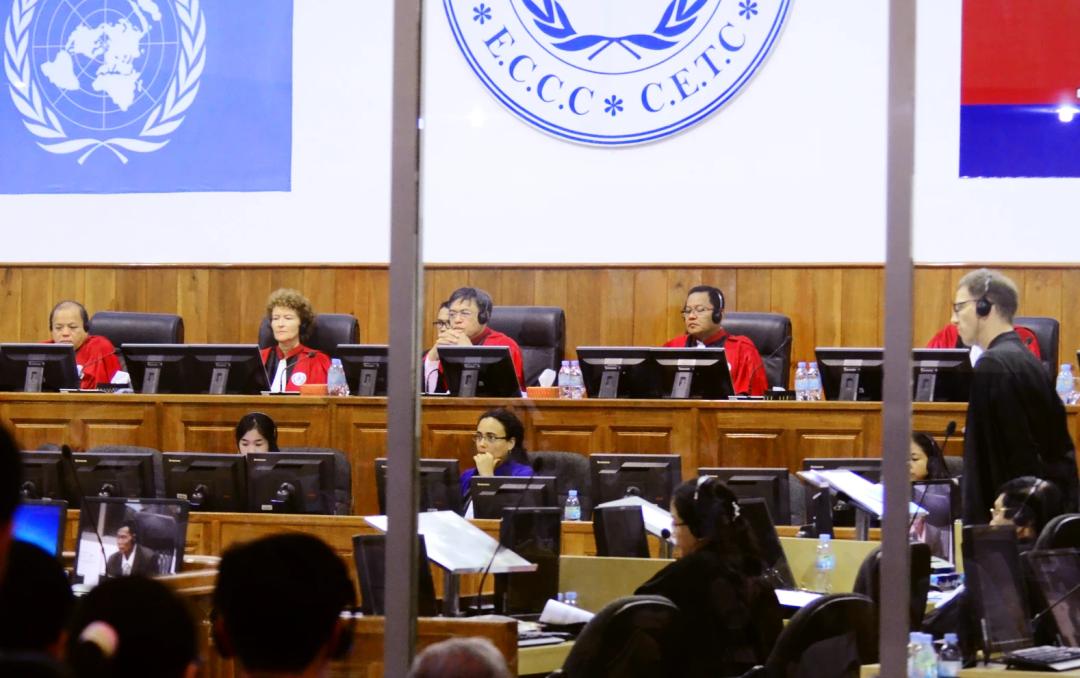
The co-prosecutors, defendants and/or civil parties may appeal decisions of the co-investigating judges to the Pre-Trial Chamber.
04
TRIAL
The parties present and examine evidence before judges of the Trial Chamber to ascertain the truth. Once hearings are concluded, the judges consider the evidence which has been presented and decide if the accused is guilty or not guilty.

05
APPEAL
The parties may appeal decisions and judgements of the Trial Chamber to the Supreme Court Chamber. The Supreme Court Chamber will review the evidence and/or decisions of the Trial Chamber and issue a final decision, which cannot be appealed.
PARTIES
There are three types of parties to judicial proceedings before the Extraordinary Chambers.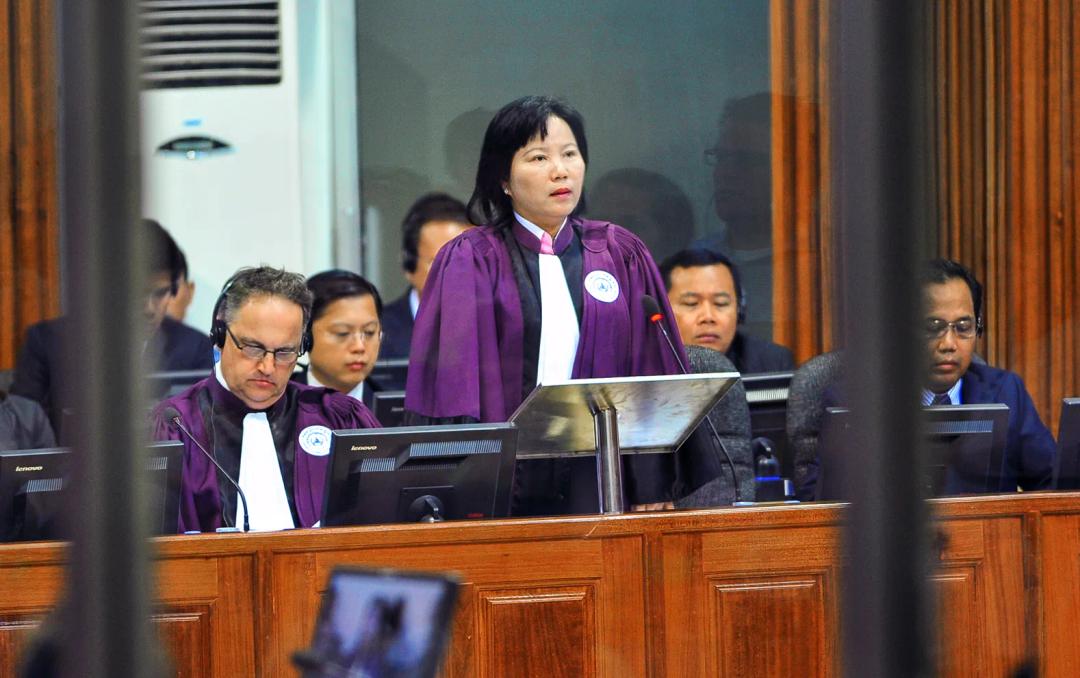
CO-PROSECUTORS
The Co-Prosecutors are responsible for bringing cases before the ECCC and prosecuting them at the pre-trial, trial, and appeal stages.
READ MORE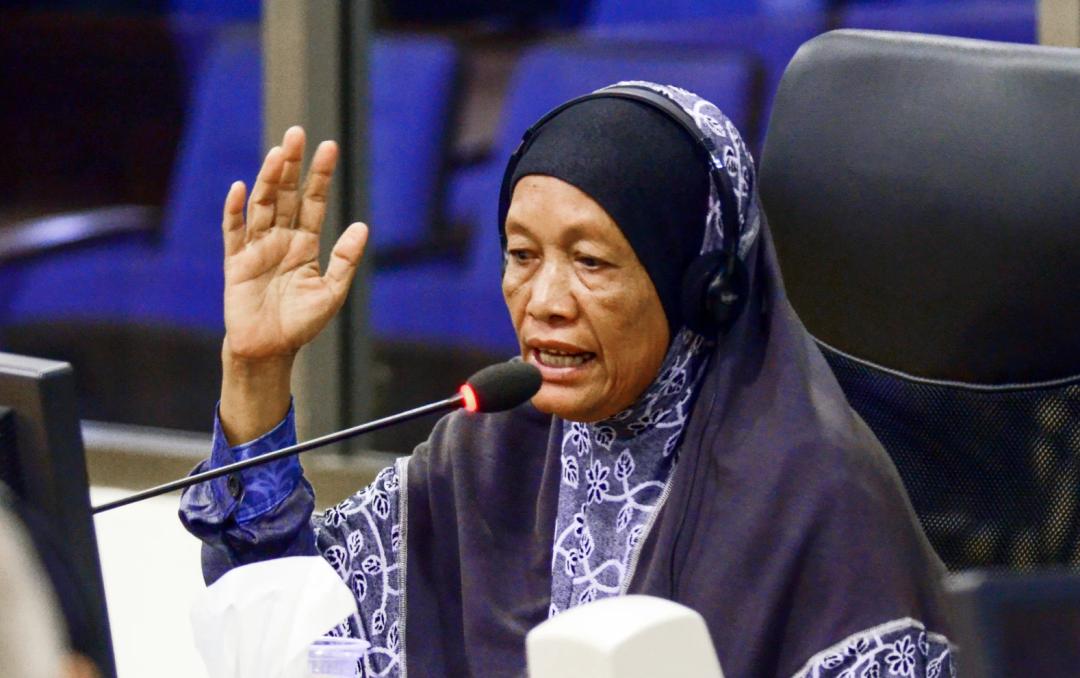
CIVIL PARTIES
Civil parties are victims who are entitled to participate in proceedings in the courtroom and can seek reparations at trial.
READ MORE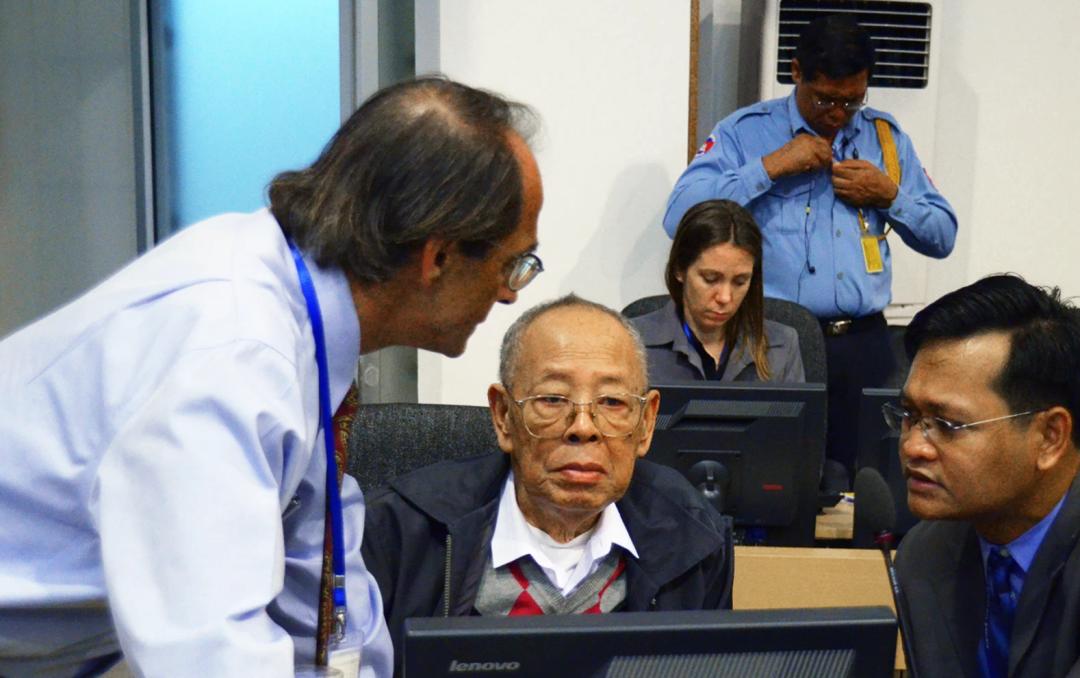
DEFENDANTS
Defendants are individuals who have been charged by the Co-Investigating Judges after the filing of an Introductory Submission (“charged persons”) or Indictment (referred to as “accused persons”).
READ MORE
The
emblem
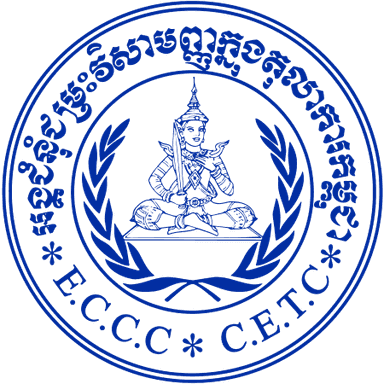
The emblem of the Extraordinary Chambers combines a depiction of the administration of justice in Cambodia in the Angkorian period with olive branch wreaths of the United Nations, symbolizing peace.
The figure is seated on a dais holding a sword to symbolize the authority of the court. This is the central figure in the mural of the former Appeals Court in the Ministry of Justice in Phnom Penh.
The
seal
The seal of the Extraordinary Chambers shows the emblem surrounded by two circles containing the full name of the Extraordinary Chambers in Khmer, together with the abbreviations “ECCC” for the English name and “CETC” for the French name.
The official colors of the ECCC are blue (in the hue of the Cambodian flag), white and black.